
Interior & Exterior
Custom Metal Stairs Kansas City
Floating, helical and sculptural stairs in steel, wood, glass and brass, drawn, engineered, built and installed by our studio.

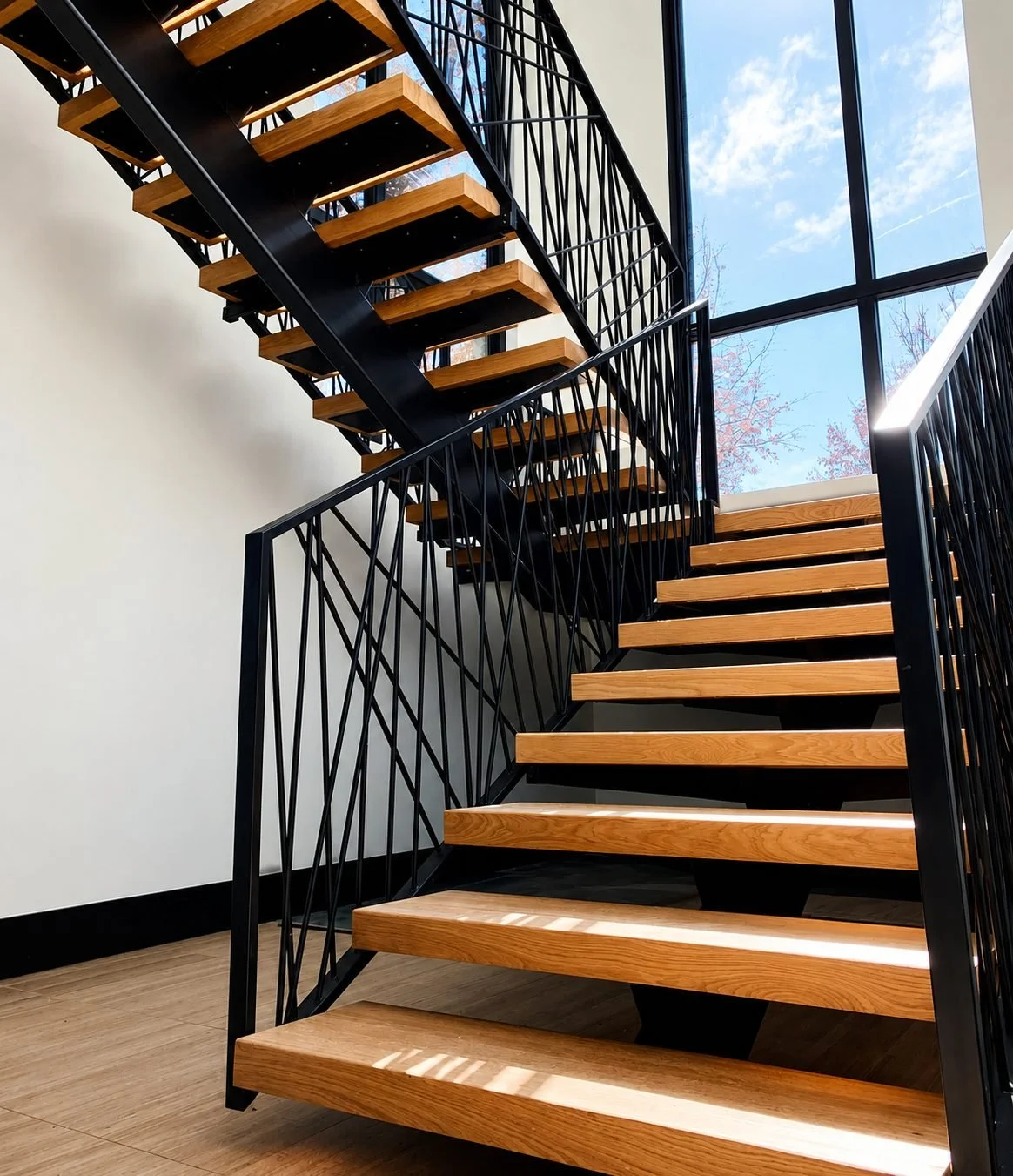
Stairs: Modern Lake House by Kansas City Metalworks
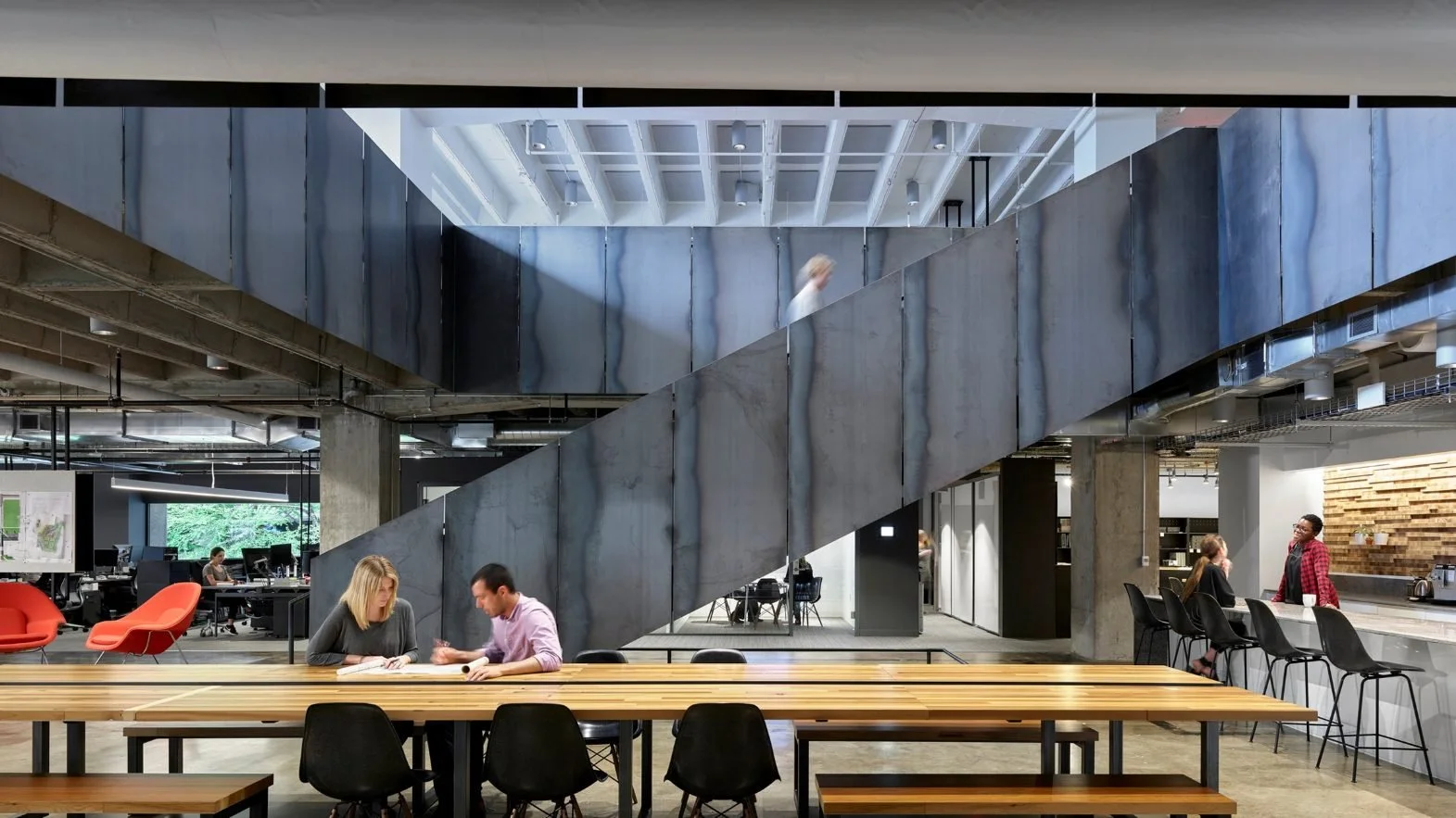
Stairs: Blackened Steel Plate Stair — BNIM by Kansas City Metalworks
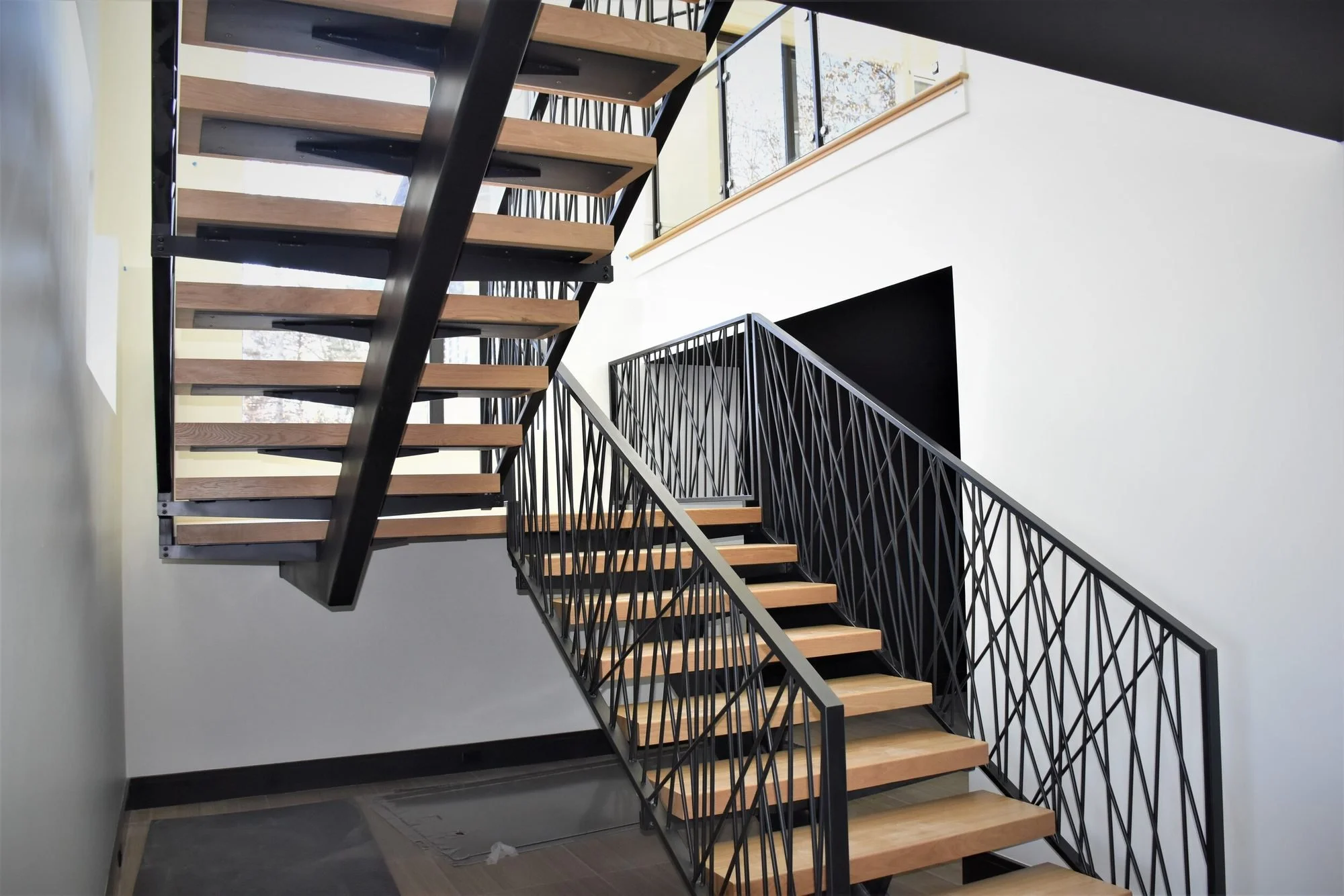
Stairs: Modern Lake House by Kansas City Metalworks
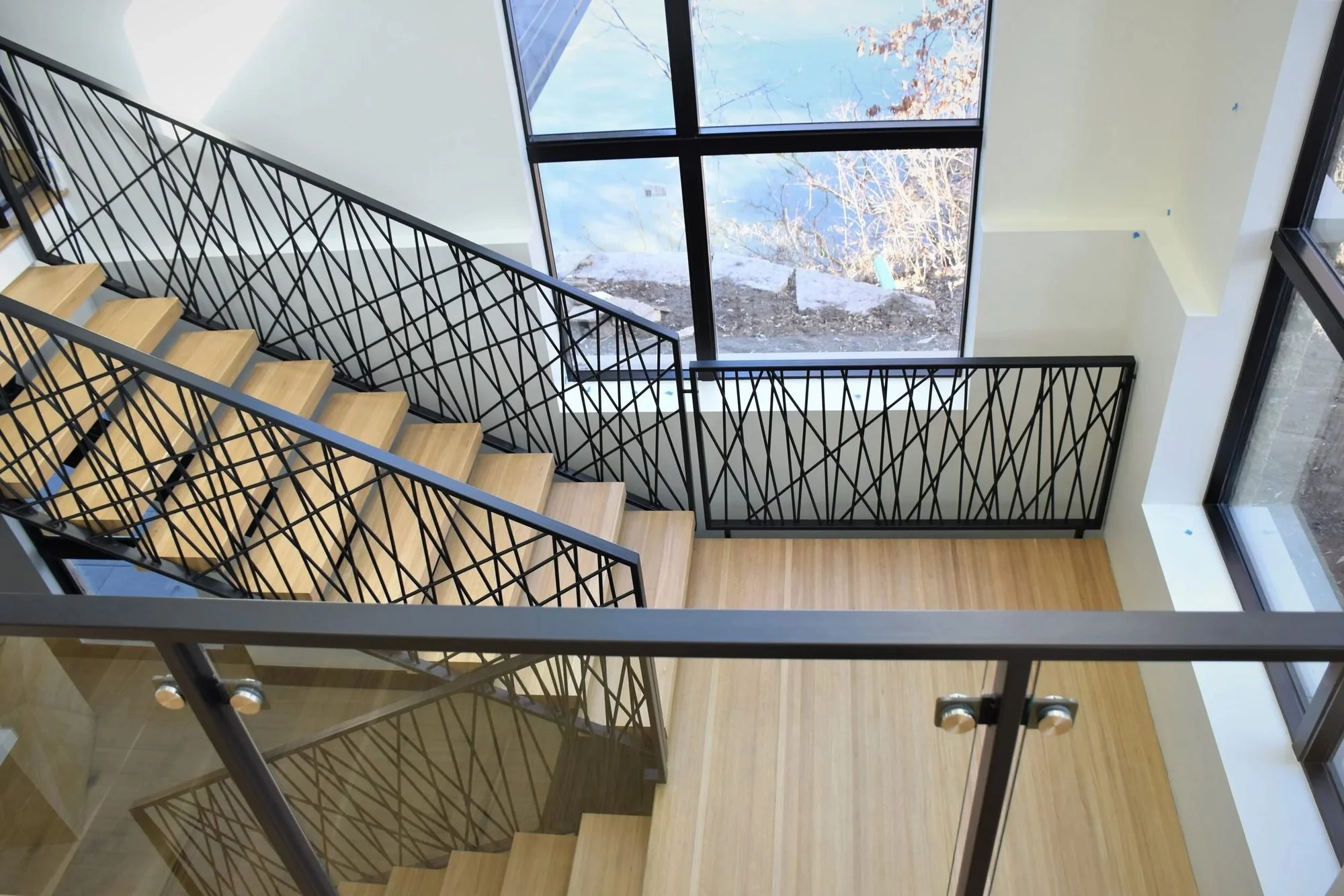
Stairs: Modern Lake House by Kansas City Metalworks
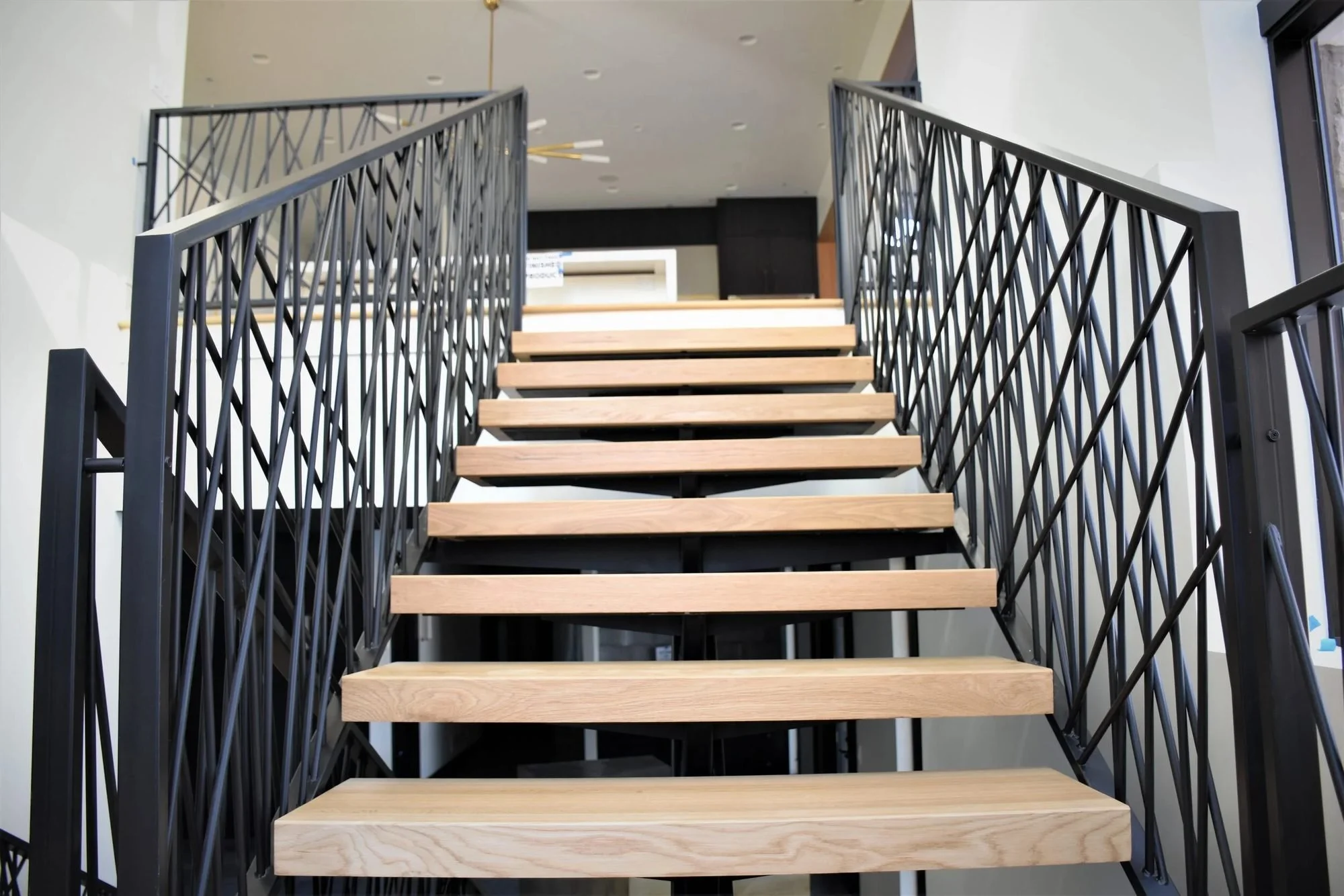
Stairs: Modern Lake House by Kansas City Metalworks
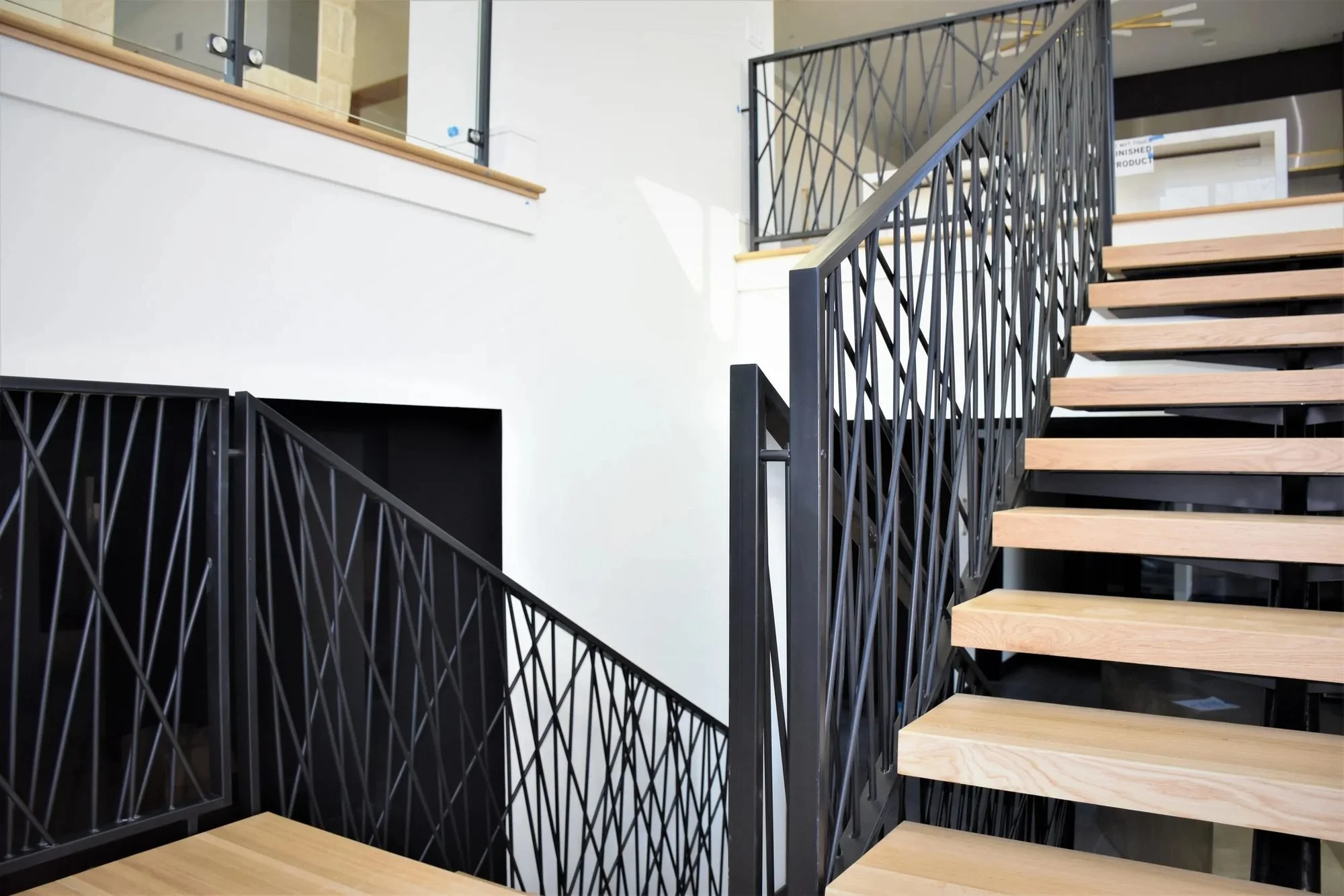
Stairs: Modern Lake House by Kansas City Metalworks
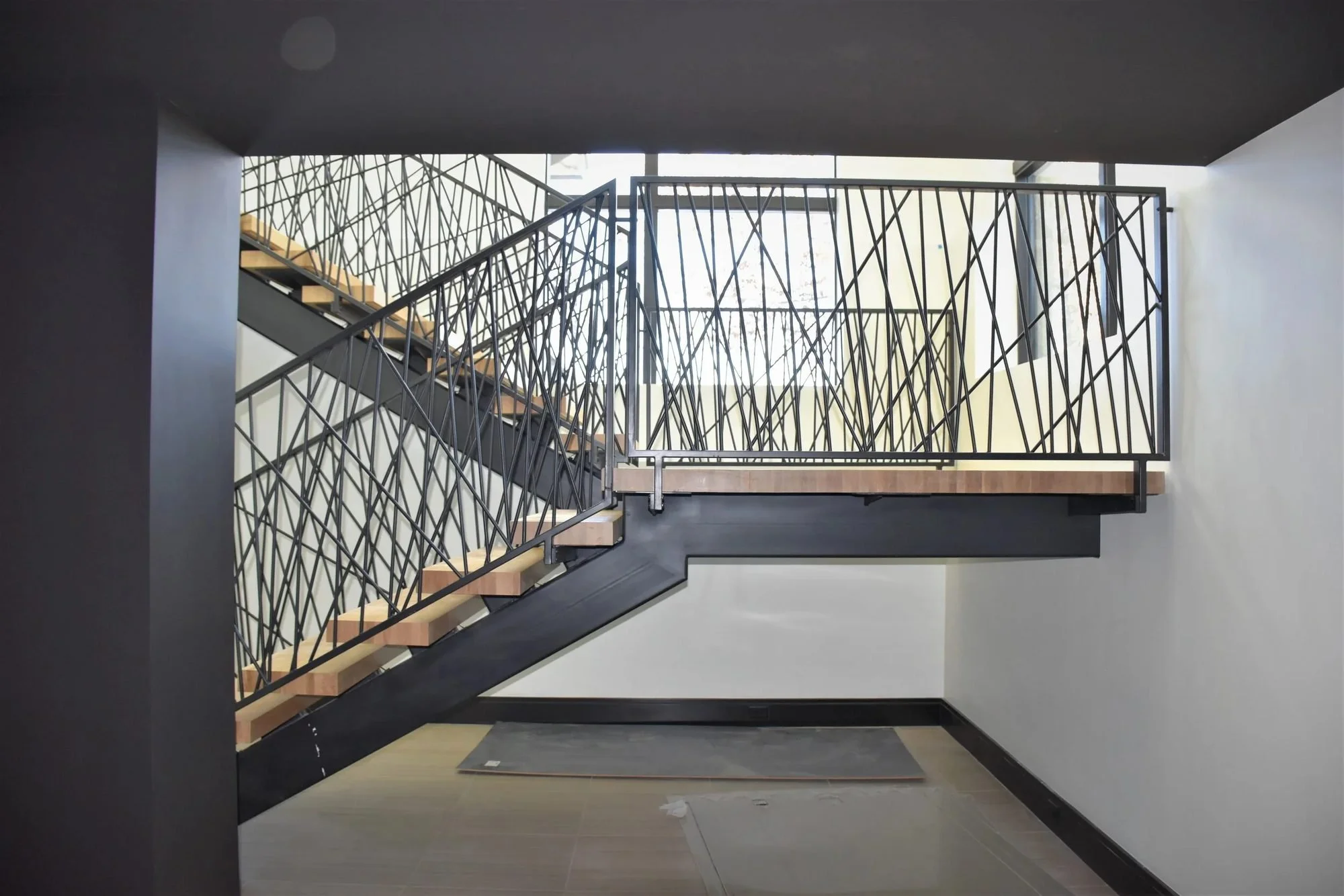
Stairs: Modern Lake House by Kansas City Metalworks
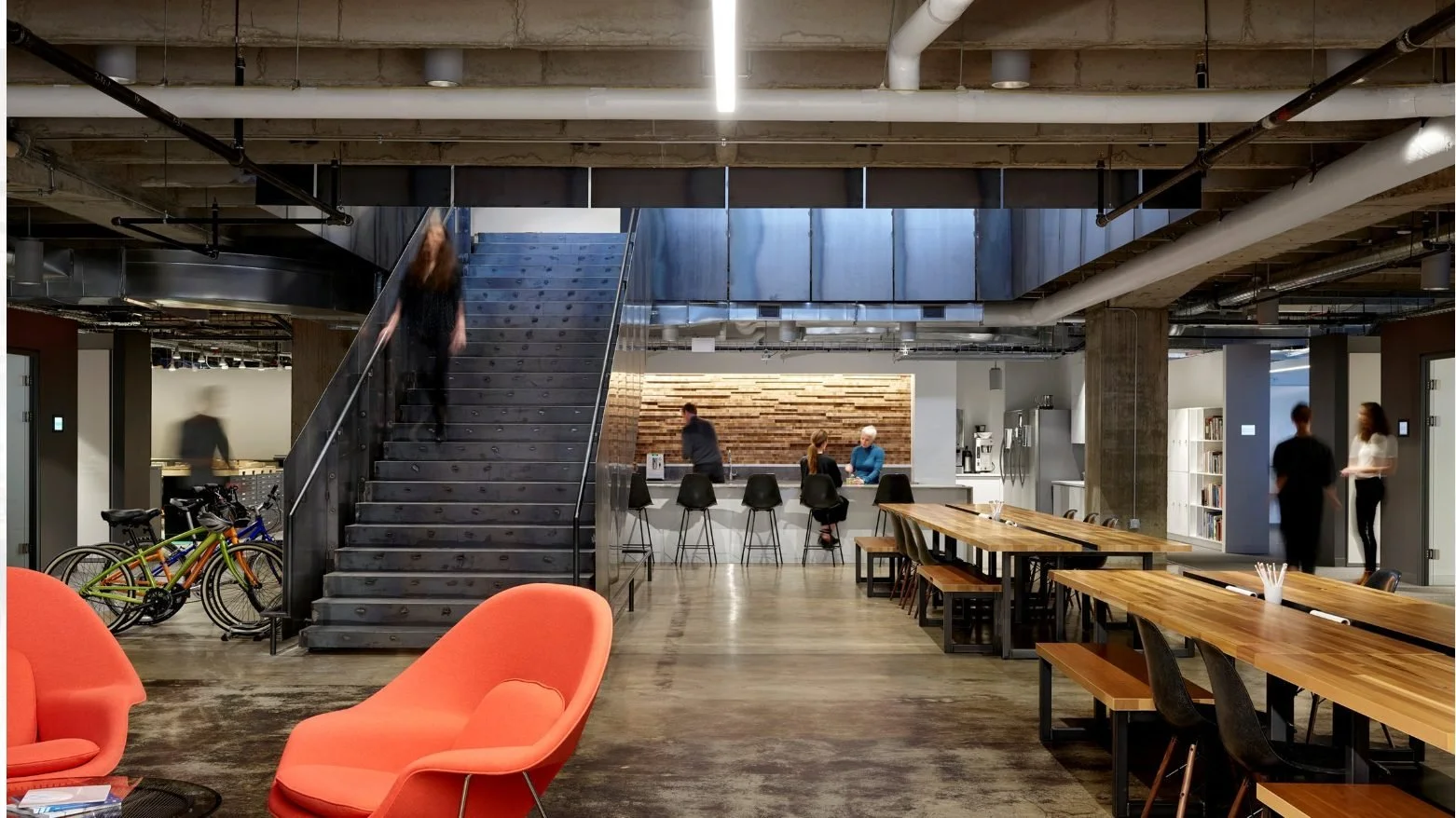
Stairs: Blackened Steel Plate Stair — BNIM by Kansas City Metalworks
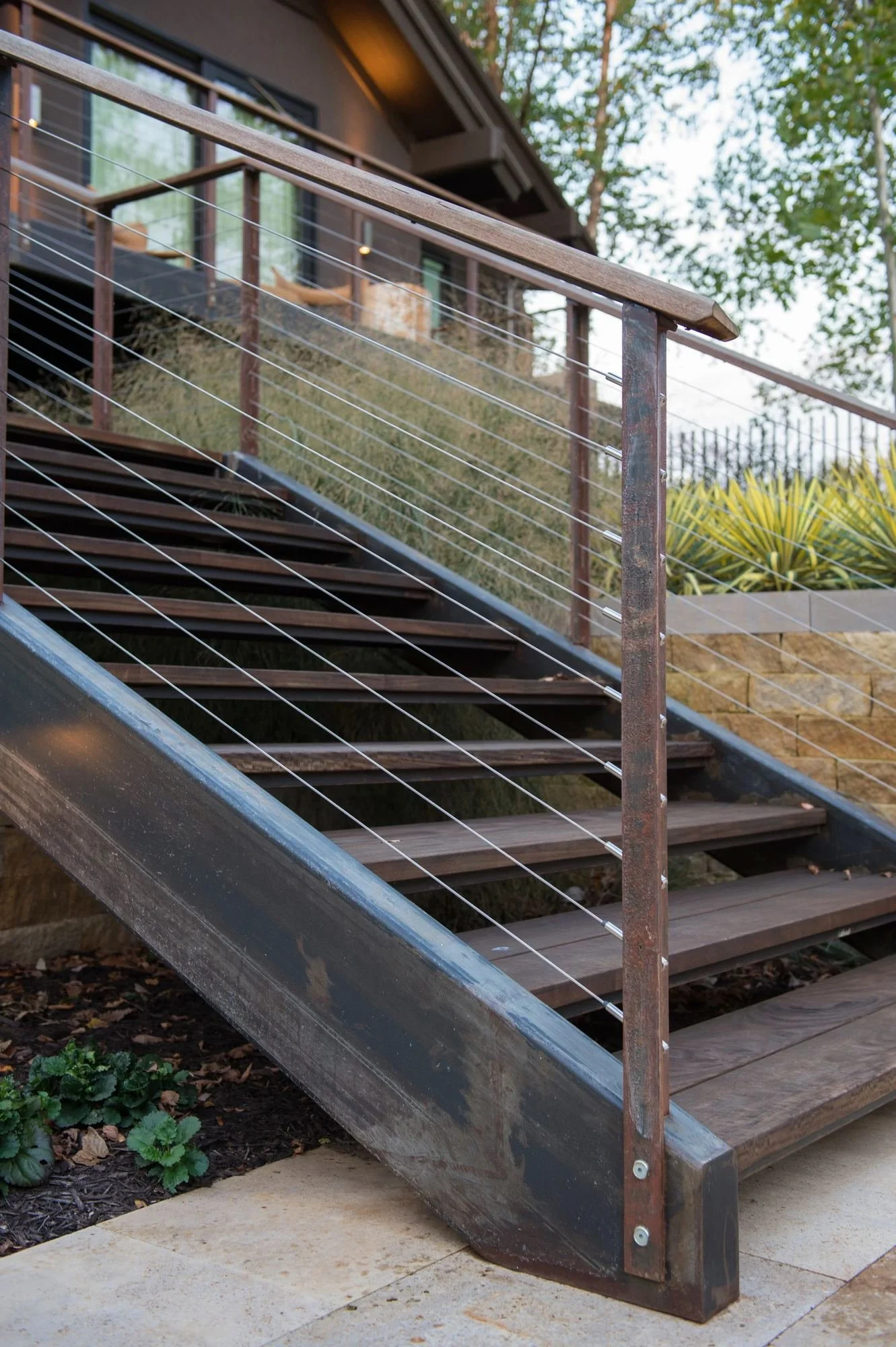
Stairs: Stairs, Railings, Gates & Pergola by Kansas City Metalworks
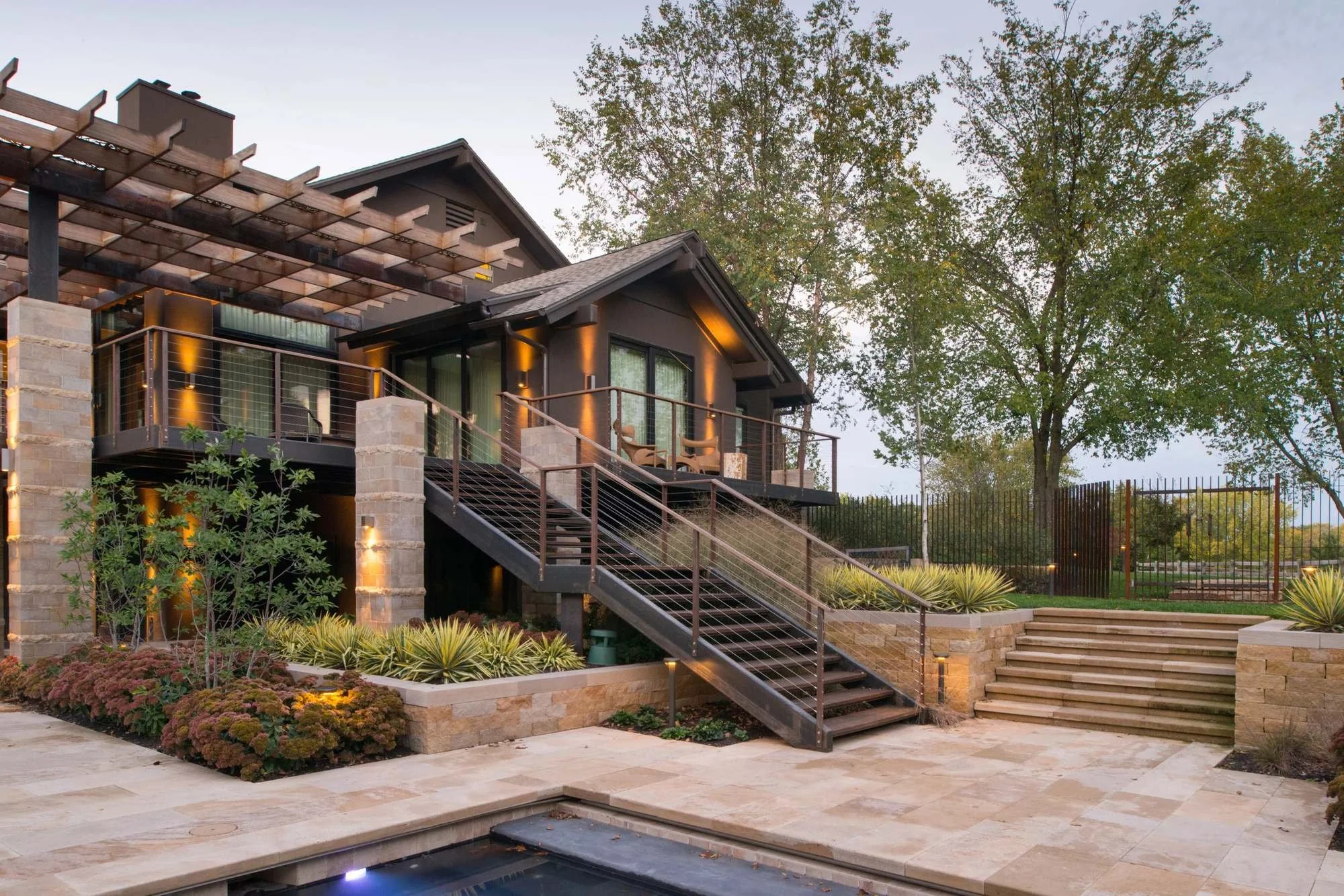
Stairs: Stairs, Railings, Gates & Pergola by Kansas City Metalworks
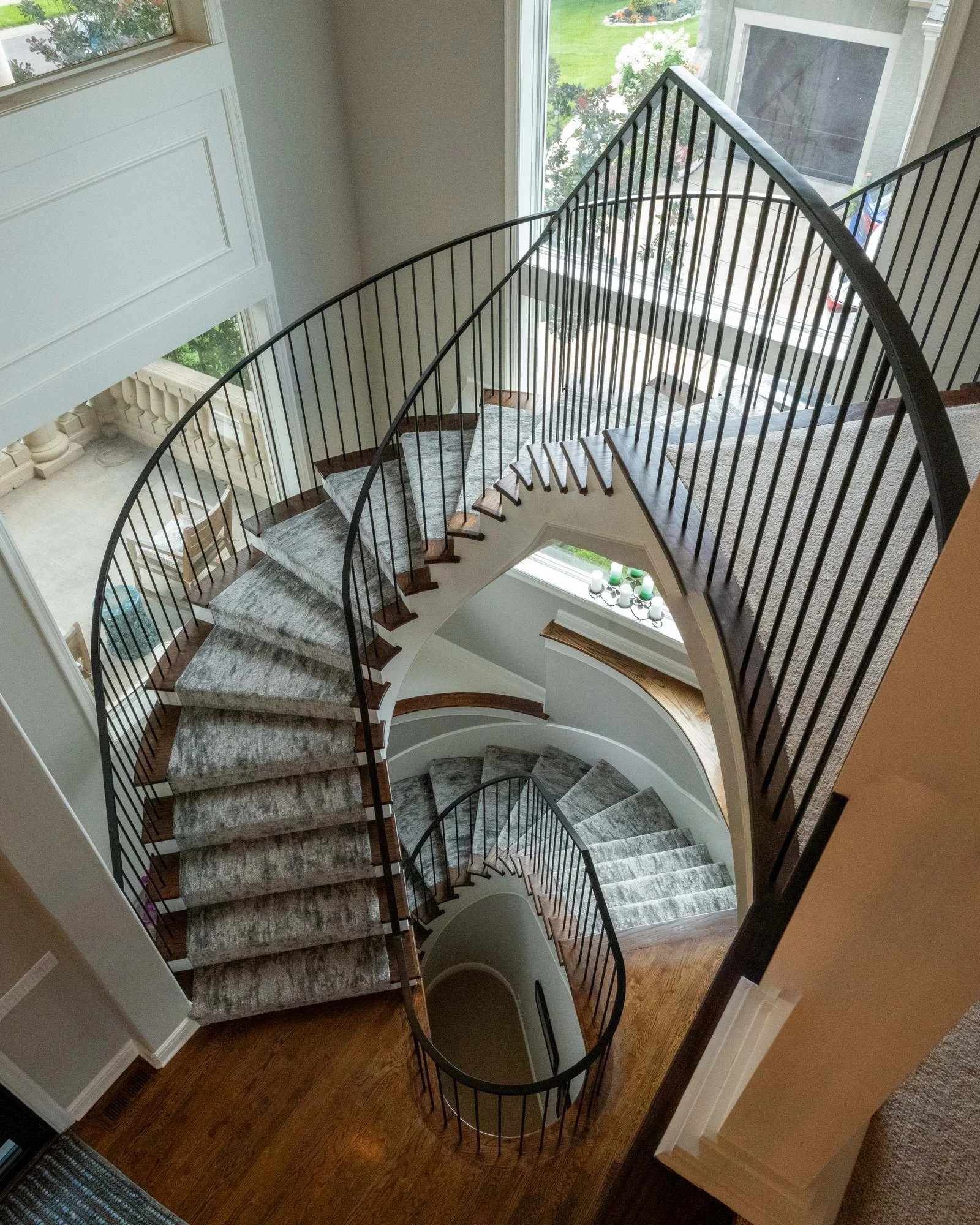
Stairs: Spiral Stair & Deck Railings by Kansas City Metalworks
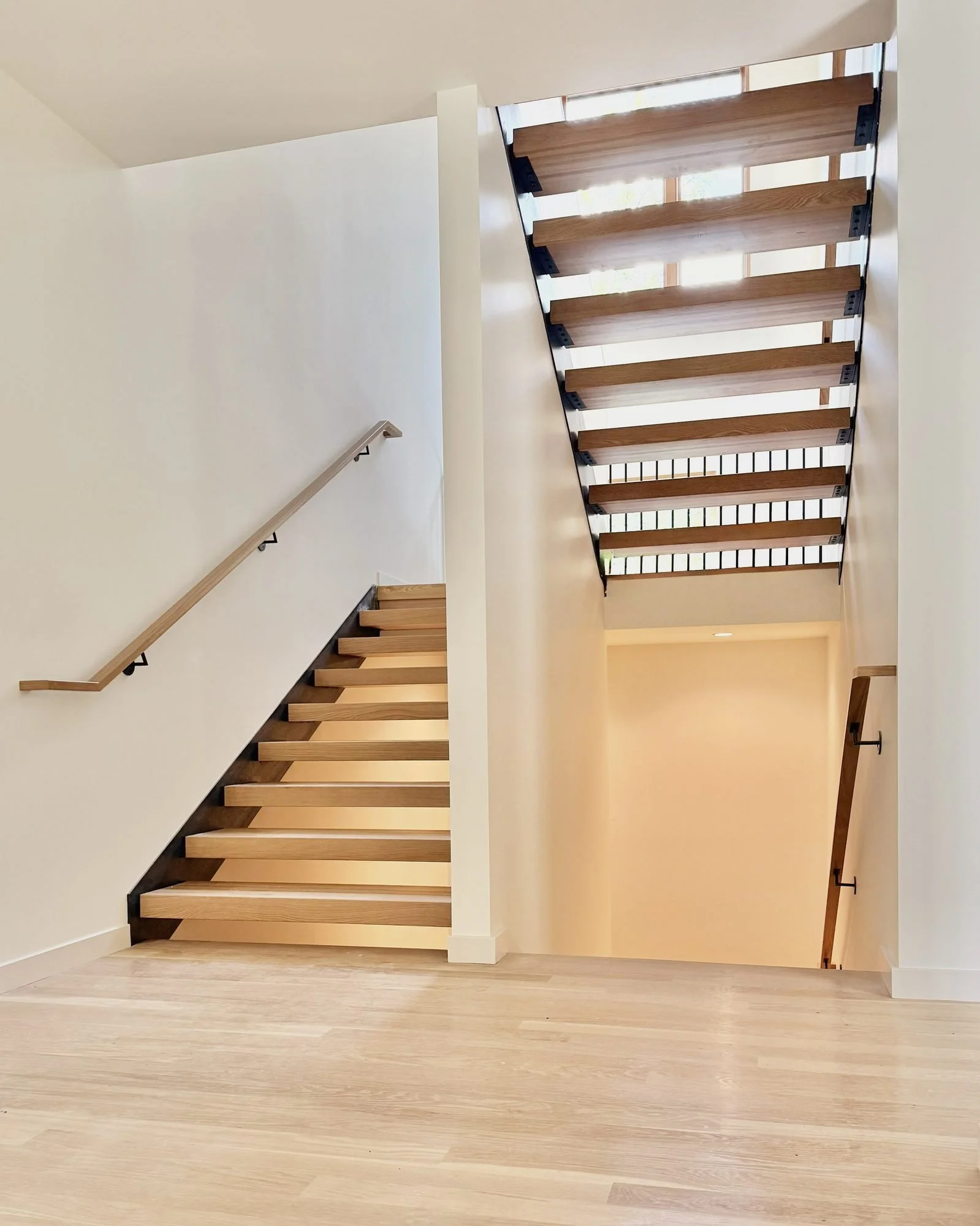
Stairs: Floating Oak Stair by Kansas City Metalworks
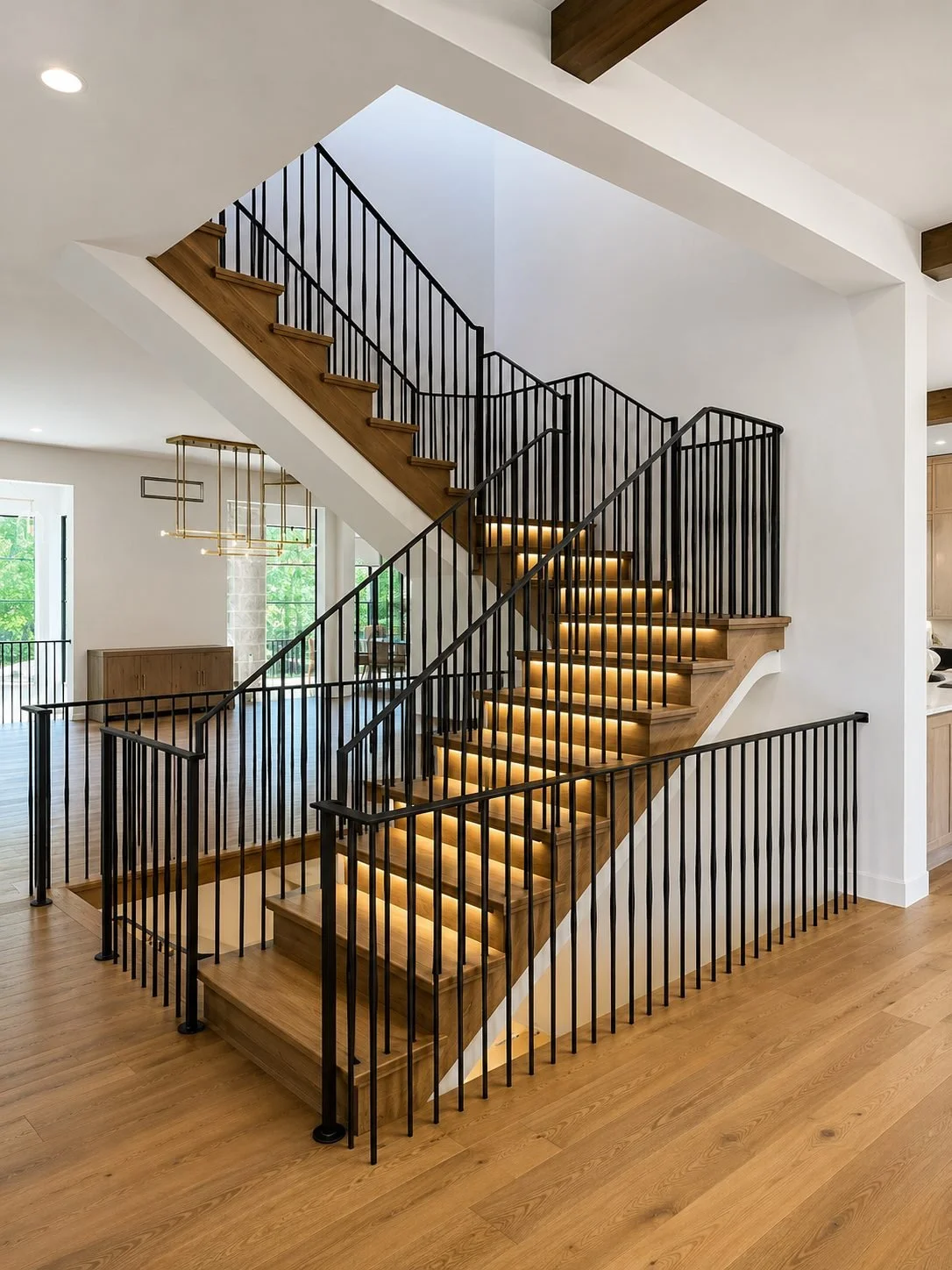
Stairs: Floating Stair by Kansas City Metalworks
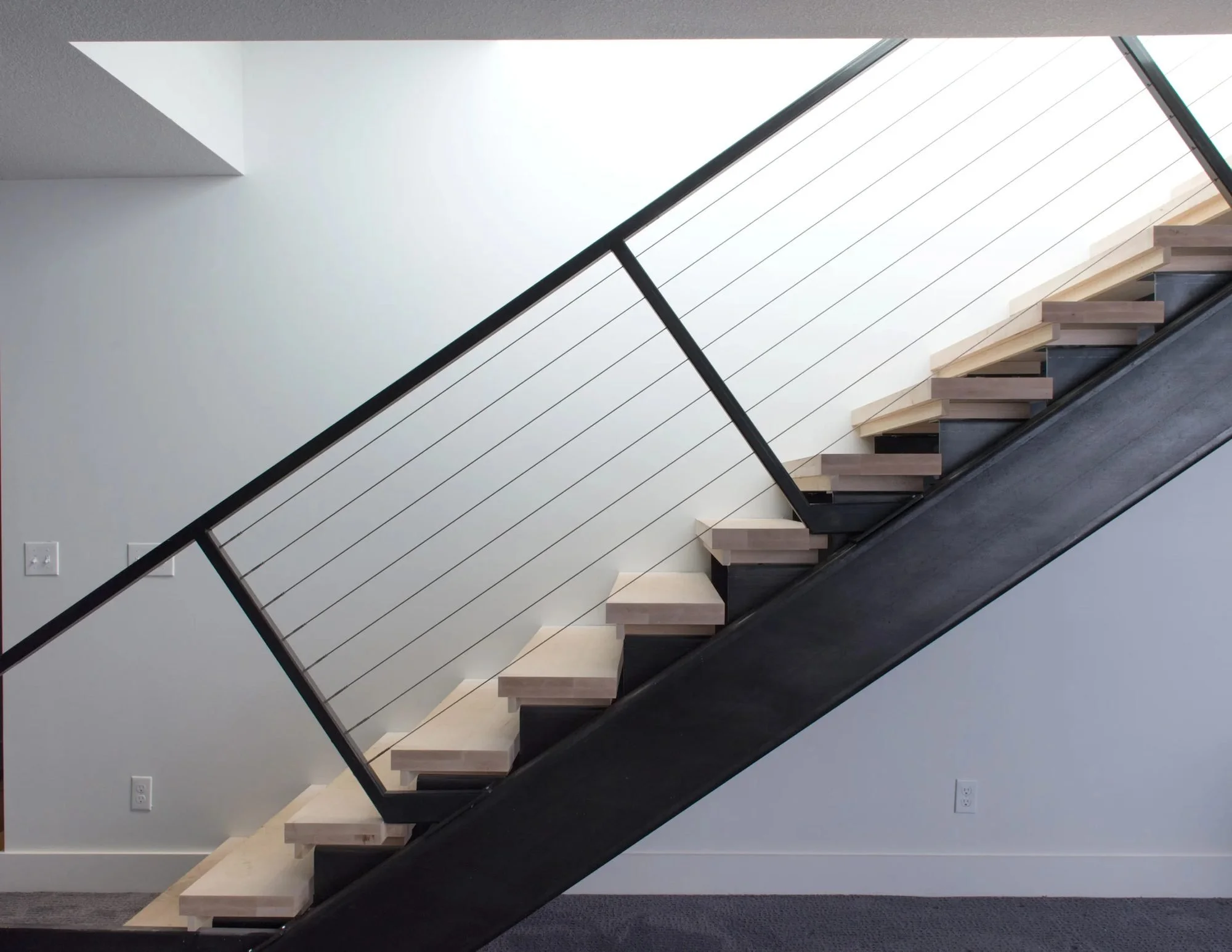
Stairs: Urban Farm Residence by Kansas City Metalworks
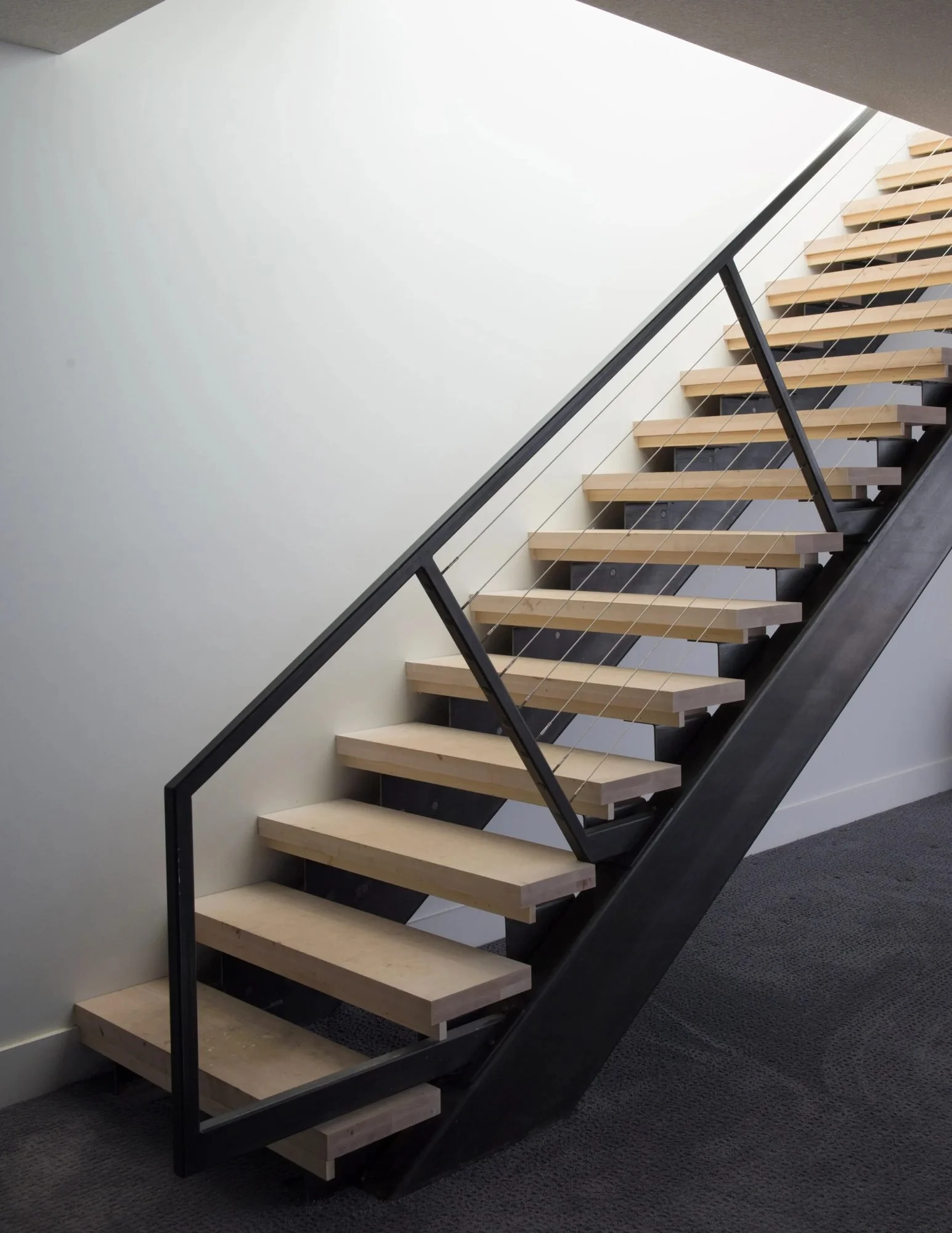
Stairs: Urban Farm Residence by Kansas City Metalworks
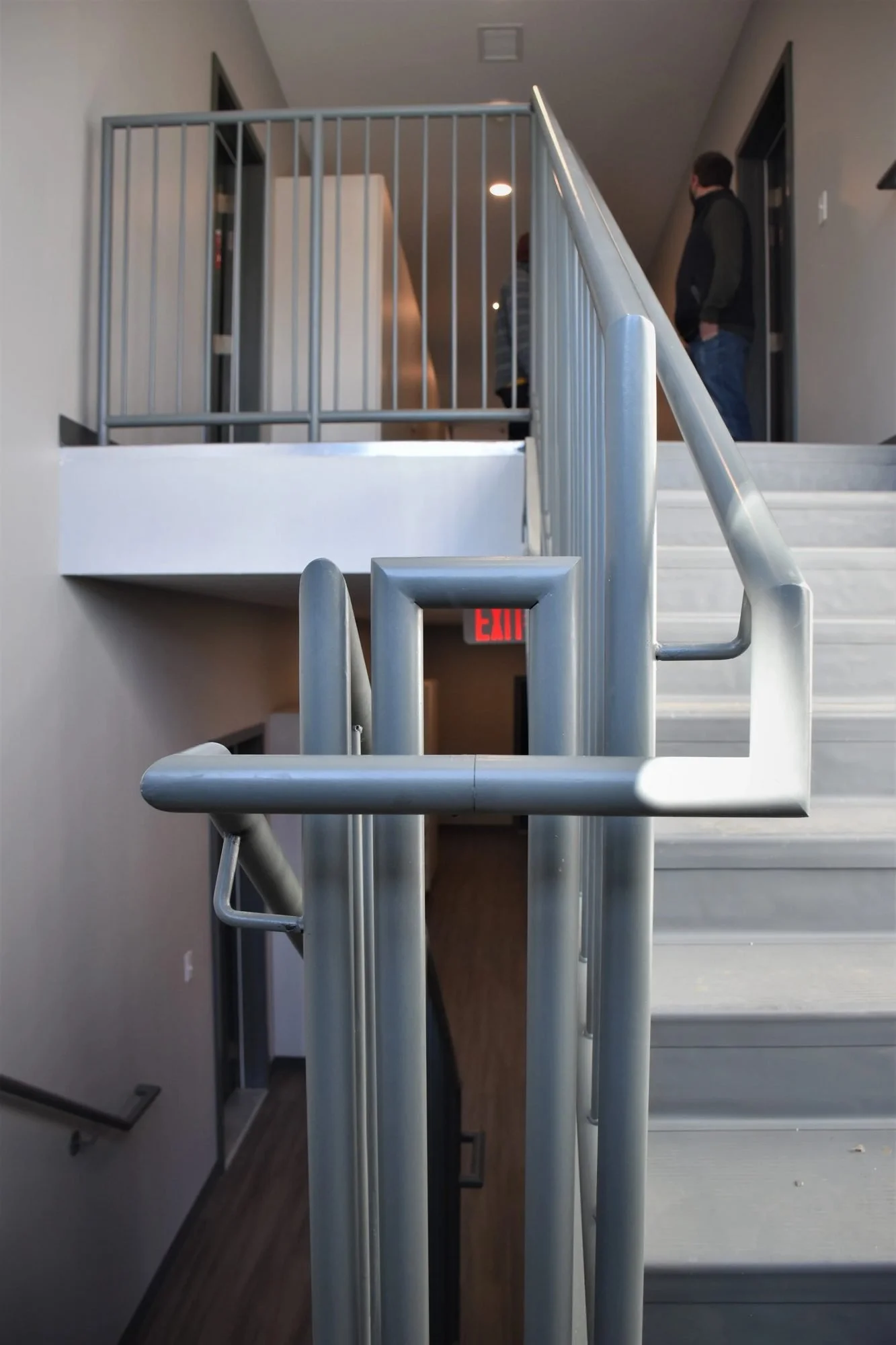
Stairs: Commercial Stairs by Kansas City Metalworks
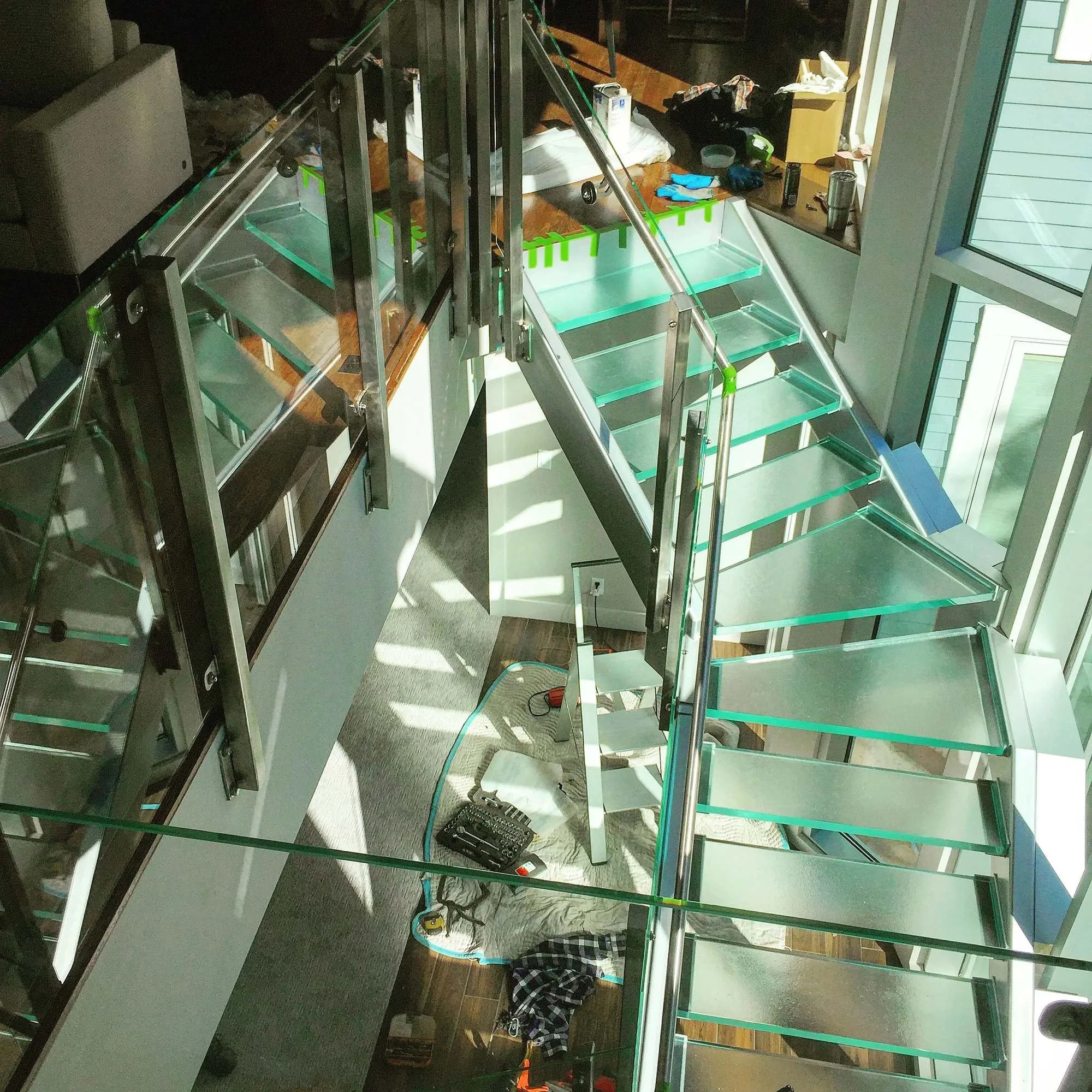
Stairs: Glass Stairs by Kansas City Metalworks
Projects with stairs
See the whole house
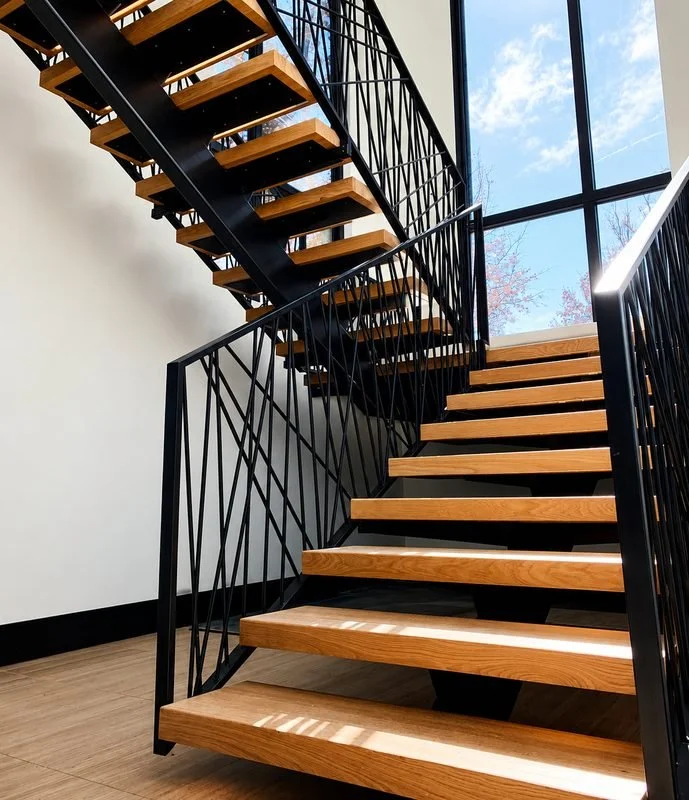
Modern Lake House Stairs · Railings & Guardrails
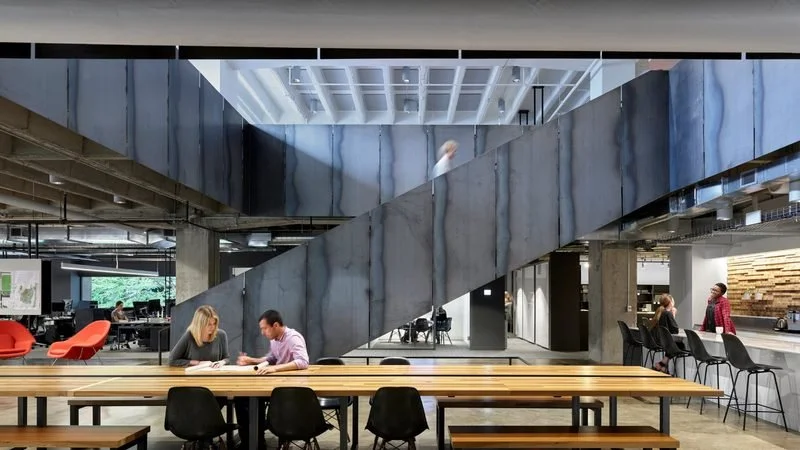
Blackened Steel Plate Stair — BNIM Kansas City · Stairs
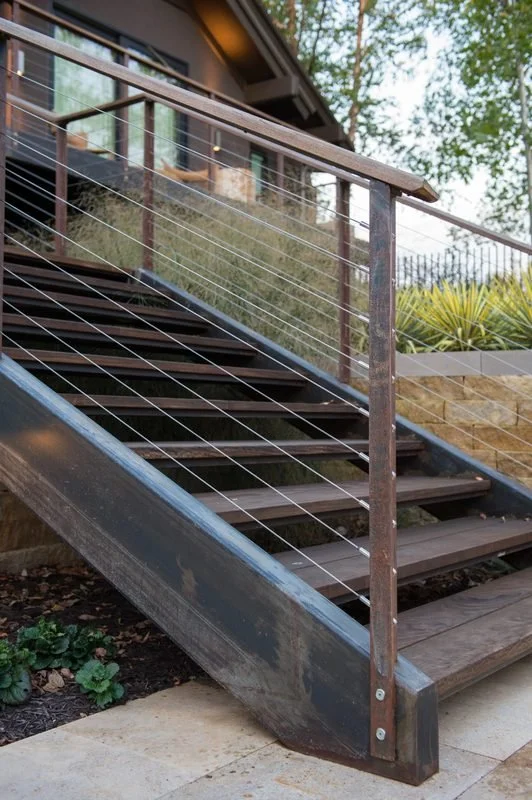
Stairs, Railings, Gates & Pergola Stairs · Railings & Guardrails · Furniture & Lighting · Gates & Fences
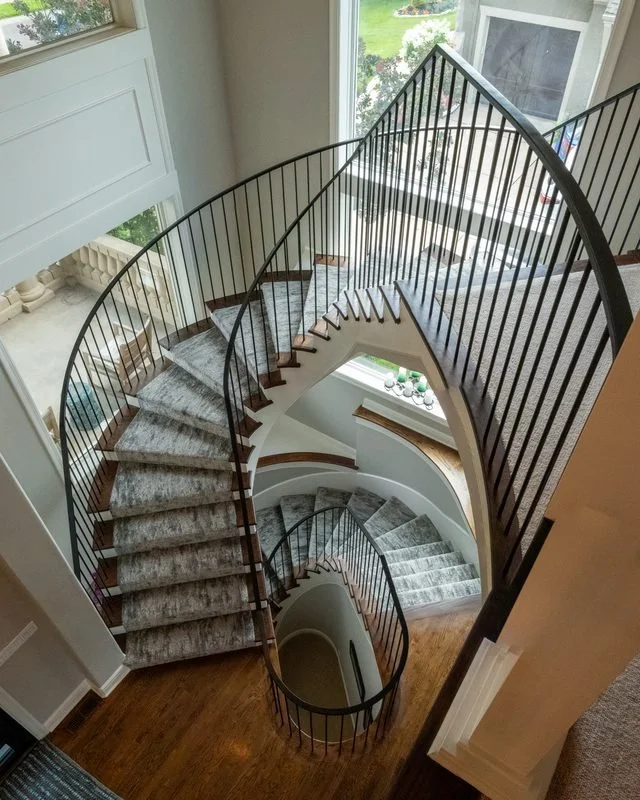
Spiral Stair & Deck Railings Stairs · Railings & Guardrails
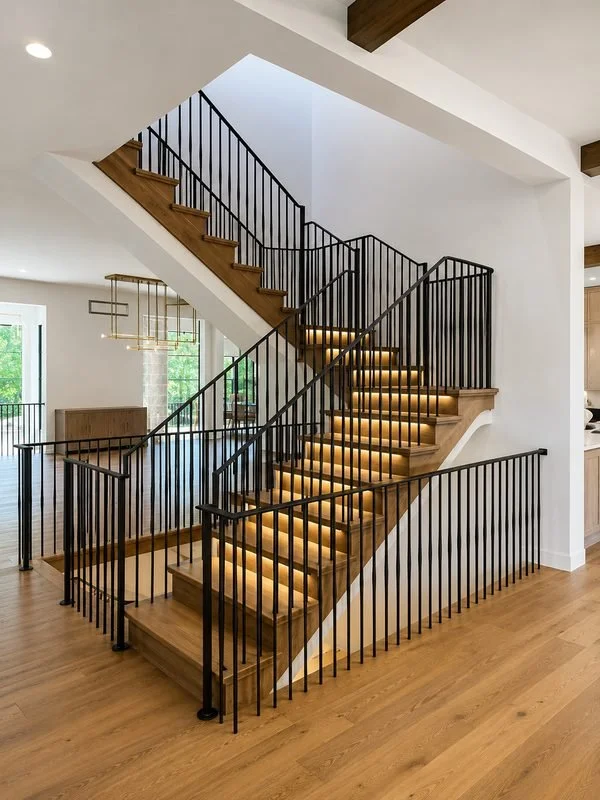
Floating Stair Stairs
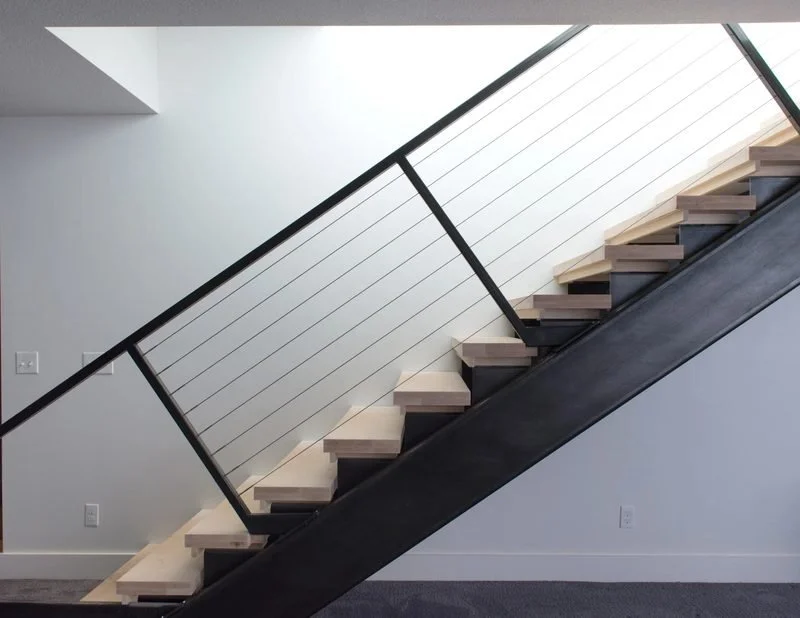
Urban Farm Residence Stairs
-
Yes. We build from architects’ and designers’ drawings, then produce our own shop drawings for your team to review and approve before anything goes to fabrication.
-
Yes. Most of our work is across the Midwest, and we take on projects coast to coast when the project is the right fit.
-
Photos of the space, any drawings or sketches, rough dimensions, the location and your timeline. A budgetary quote takes about a week, depending on the complexity, and then we work out the details and final pricing together.
About this work
Custom Metal Stairs
What we build
A stair is the one piece of a house you use every day and see from every floor. We design and build them as sculpture that you can walk on: floating stairs with treads that seem to hang off the wall, helical stairs that turn through a full circle, spiral stairs for tight footprints, and switchback and L-shaped stairs that open up a stairwell.
Most of our stairs are for private homes. We also build them for offices and public buildings. Recent work includes a helical stair with a hand-shaped brass cap rail for a Tudor home in Mission Hills, a floating stair with an angular steel railing for a modern lake house, a blackened steel plate stair through BNIM's open studio in Kansas City, and a spiral stair inside one private home, with deck stairs and railings out back.
Materials and finishes
The structure is almost always steel: plate stringers, folded plate treads or a hidden steel frame carrying wood treads. From there the materials follow the house. We pair steel with oak and other woods, glass, and brass, and we finish it to suit the room. Blackened steel, brushed or polished stainless, brass and bronze each age differently and need different care. We'll talk through those differences before anything is drawn, and at the end of the project we walk you through caring for the finish.
The railing is part of the stair, not an afterthought. We draw and build both together, so the guard, the handrail and the stair read as one piece. See Railings & Guardrails for more.
Design and engineering
Every stair starts with the space it has to fit. Curved stairs, out-of-square stairwells and older houses don't match the plans, so we measure on site. We scan the space with Leica LiDAR equipment and bring the point cloud into SketchUp Studio. That gives us a model of the real room, not the drawn one, and we design the stair inside it.
We can work from an architect's or designer's drawings, or start from a sketch and a conversation. Either way, we produce full shop drawings in Vectorworks. Those drawings show every plate, connection and finish, and nothing goes to fabrication until you and your team have approved them.
When a stair needs stamped engineering, it comes from the project's engineers or from an engineer we bring in.
How a stair project runs
Quote. Send photos, drawings or a sketch, rough dimensions, the location and your timeline. A budgetary quote takes about a week, depending on the complexity. Then we work out the details and the final price together.
Drawings. Once the quote is signed and the deposit is in, we draw the stair in full.
Approval. You and your architect or builder review the shop drawings. We revise until they're right.
Fabrication. The stair is cut, formed, welded and finished in our shop at 333 N 6th Street in Kansas City, Kansas.
Installation. Our own crew installs it. We don't hand the work to a subcontractor.
Lead times vary with the project and its scale. We like to be involved early, in the design phase, but we can also complete a stair in a month or two from first contact.
Where we work
Most of our stairs are built for homes across the Midwest. For the right project we work coast to coast. We've built steelwork in Kansas City, trucked it to Bigfork, Montana, and set it on site there.
Why an artist-led studio
Kansas City Metalworks was founded in 2007 by Kansas City sculptor Asheer Akram. The same eye that shapes his sculpture shapes how we draw a stringer, where a weld lands and how a handrail meets the hand. Every stair we build is backed by our one-year workmanship warranty.
Ready to talk about a stair? Start a project, or email info@kansascitymetalworks.com. We reply within two business days.
Questions
Start a project
Send drawings, photos or a sketch. We’ll talk through the piece, the site and the schedule.